
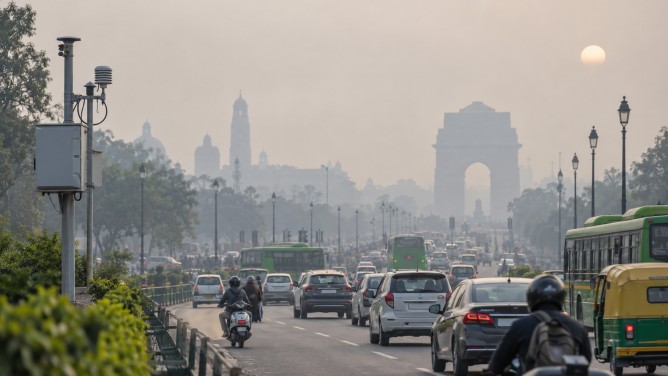
In response to a decline in air quality, Delhi-NCR authorities have activated Stage I of the Graded Response Action Plan (GRAP) as the region’s Air Quality Index (AQI) has entered the ‘poor’ category. With an AQI reading of 233, measures are being enforced to curb further pollution, focusing on dust control, vehicle emissions, and industrial activities.
Stage I of GRAP is initiated when the AQI measures between 201 and 300, aiming to prevent additional pollution through targeted actions and rigorous monitoring. These measures include stringent dust management at construction sites, a ban on open waste burning, and encouraging restaurants to switch to cleaner cooking fuels. Additionally, restrictions on the use of diesel generators have been implemented, and authorities are tasked with monitoring vehicular pollution, particularly addressing visibly polluting vehicles.
Traffic management strategies are being applied to alleviate congestion at busy intersections, with a recommendation for motorists to turn off engines at red lights. Industrial units and power plants are also under scrutiny to ensure compliance with emission standards. Residents are advised to maintain their vehicles, avoid unnecessary idling, use public transportation when possible, and report any pollution-related issues through official channels.
Delhi’s current air quality, classified as poor, poses potential health risks, especially for individuals with respiratory conditions. The city’s temperature ranged from a minimum of 18°C to a forecasted daytime high of about 31°C. Authorities are committed to ongoing monitoring efforts and are taking preventive actions to mitigate further air quality deterioration.