
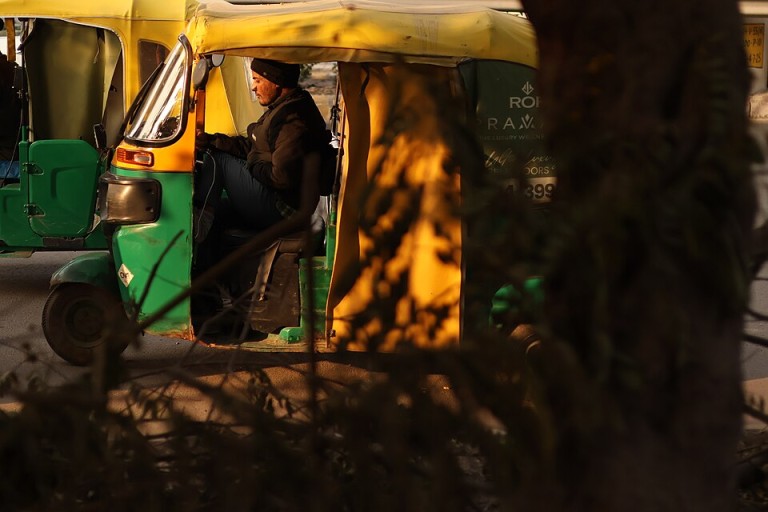
The government of Delhi has outlined a strategic plan to gradually eliminate petrol-powered scooters, motorcycles, and autorickshaws. This initiative is a key component of the city’s efforts to curb harmful emissions and enhance the air quality in the nation’s capital. The policy aims to raise the proportion of electric vehicles in the city, targeting at least 30% electrification of its vehicle fleet by the year 2030.
According to the plan, the city will commence new registrations for electric three-wheelers and small commercial vehicles starting in 2027, and electric scooters and motorcycles will follow in 2028. This timeline is part of a broader strategy to tackle transport emissions, which are among the leading contributors to Delhi’s pollution crisis. The problem is particularly acute during the winter months, when the city is regularly blanketed by severe smog.
Environmentalists have praised the government’s decision, noting that the transition to electric two- and three-wheelers could lead to a substantial reduction in emissions and foster improvements in public health. To facilitate this shift, the government has also committed to establishing over 30,000 public charging points throughout the city. These steps are intended to support the transition by providing the necessary infrastructure for electric vehicles.
Despite the positive reception from environmental experts, concerns have been raised by many auto-rickshaw drivers, who worry about the implications for charging time, vehicle costs, maintenance, and potential income disruptions during the transition period. Some experts have also advised that the government should place greater emphasis on expanding clean public transport options and enhancing last-mile connectivity to ensure a comprehensive approach to reducing emissions.
While the policy includes incentives such as tax benefits for those purchasing electric vehicles, critics argue that the timeline set by the government may be too ambitious. They caution that the period might not be sufficient for drivers, manufacturers, and consumers to fully adapt to the impending changes. Such concerns highlight the complexities involved in transitioning to a more sustainable vehicular infrastructure in a densely populated urban setting like Delhi.