
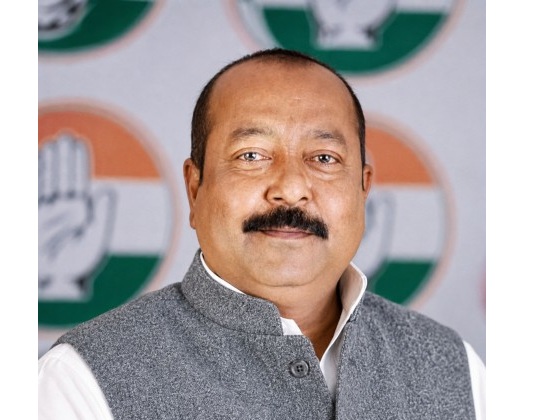
In a significant political development, Syed Asim Waqar, who previously served as the national spokesperson for the All India Majlis-e-Ittehadul Muslimeen (AIMIM), has decided to join the Indian National Congress. This move comes as preparations intensify for the upcoming Uttar Pradesh Assembly elections slated for next year. Waqar was welcomed into the Congress fold at a ceremony held at the party’s headquarters in New Delhi, where he was joined by key party figures, including Uttar Pradesh Congress in-charge Rajendra Pal Gautam, state Congress president Ajay Rai, and AICC Minority Department chairman Imran Pratapgarhi.
Waqar’s decision to leave AIMIM was accompanied by a critique of the party’s strategy under the leadership of Asaduddin Owaisi. He accused AIMIM of claiming to oppose the Bharatiya Janata Party (BJP) while strategically targeting other opposition groups like Congress and the Samajwadi Party in electoral contests. Waqar emphasized the necessity for opposition parties to unite in their efforts to defeat the BJP, suggesting that Congress and Rahul Gandhi represent a formidable national opposition to the ruling party. His comments reflect his own perspective and rationale following his departure from AIMIM.
Previously a prominent figure for AIMIM in Uttar Pradesh, Waqar was known for his close association with Owaisi. His transition to Congress comes at a time when AIMIM is actively seeking to broaden its influence in Uttar Pradesh, especially as the 2027 Assembly elections loom on the horizon. The shift underscores a changing political landscape as parties maneuver for strategic advantage in this key state.
With Waqar joining Congress, there is potential for the party to bolster its efforts in consolidating opposition support across Uttar Pradesh. However, the overall impact of his defection on the electoral dynamics remains to be fully realized. As political parties gear up for the elections, the move signifies the ongoing realignments and strategic collaborations among various factions within the state’s political arena.