
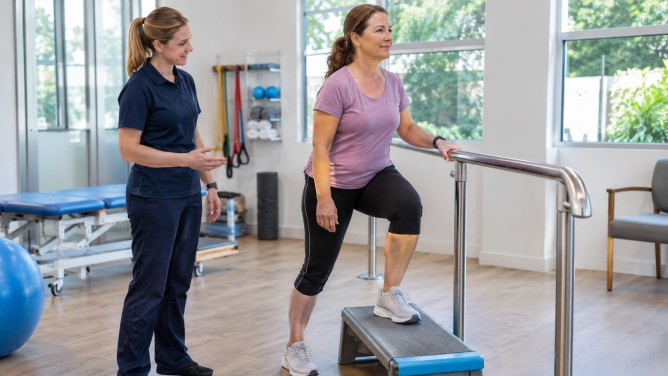
Rushing back into exercise after an injury can be tempting, but doing so without caution may put undue pressure on your knees, leading to further complications. A gradual return to physical activity is crucial for rebuilding strength, flexibility, and endurance, helping to protect your knees from persistent damage.
As you restart your fitness journey—whether through gym sessions, running, or other workouts—it’s essential to heed your body’s signals. While some muscle soreness is normal, certain symptoms should not be ignored as they might indicate serious knee issues. Persistent pain, swelling that doesn’t subside with rest, knee instability, or a sudden popping sensation accompanied by sharp pain are warning signs to watch for. These symptoms may necessitate medical advice to prevent further injury.
To safely resume workouts, adopt a careful approach that allows your body to adjust to the stress of exercise gradually. Begin with proper warm-ups using gentle movements to prepare your muscles and joints. Opt for low-impact activities like walking, swimming, or stationary cycling, based on your injury and recovery guidance. Gradually increase the intensity of your workouts, avoiding the immediate return to heavy lifting, running, or jumping. Furthermore, ensure you incorporate rest days into your routine to facilitate recovery and avoid pushing through unusual discomfort, swelling, or instability.
For minor knee injuries, rest, ice application, and physiotherapy may aid recovery. However, more serious conditions could require medical evaluation and specialized treatment. In some cases, procedures such as arthroscopy or reconstructive surgery for significant ligament damage, like an anterior cruciate ligament (ACL) injury, might be necessary. Professional assessment is vital to determine the appropriate treatment and ensure a safe return to physical activity.
The journey back to fitness should be approached as a gradual process rather than a race to regain previous performance levels. Allow your knees ample time to recover, progressively build strength, and never overlook symptoms such as persistent pain or swelling. By adopting a patient and well-planned approach, you can maintain an active lifestyle while minimizing the risk of re-injury.