
India’s push for a more balanced trade relationship with China could open new opportunities for Indian exporters, particularly in sectors like agriculture, pharmaceuticals, and textiles. As both nations seek to address trade imbalances and supply chain issues, India is looking for more predictable market access for its goods and services. The outcome of these efforts could significantly enhance economic engagement between the two largest Asian economies, benefiting businesses across the region.
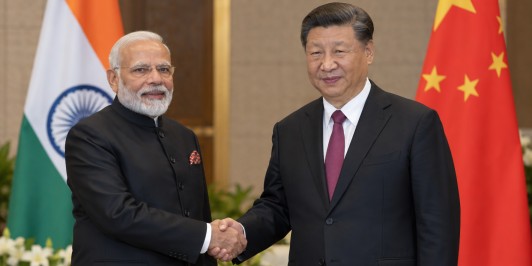
Commerce Secretary Rajesh Agrawal announced India’s intentions on Wednesday, emphasizing the country’s desire for greater access to Chinese markets. This announcement comes amid recent positive momentum in diplomatic relations, following discussions between Indian Prime Minister Narendra Modi and Chinese President Xi Jinping. The leaders have underscored the need to prevent differences from escalating into disputes, focusing instead on constructive dialogue.
India aims to leverage this diplomatic engagement to rectify structural trade imbalances with China. Agrawal identified key areas where India could expand its exports, such as marine products, engineering goods, and services, highlighting the country’s untapped potential in these sectors. This strategic move seeks to not only boost India’s export economy but also to establish a more equitable trade framework between the two countries.
Facilitating business travel and easing visa processes are also on India’s agenda, aimed at fostering closer ties between Indian and Chinese business communities. Such measures could lead to more frequent interactions and collaborations, further strengthening the economic partnership.
The recent diplomatic activities, including the interactions between the two nations’ leaders, underscore a shared commitment to addressing economic concerns through established trade mechanisms. By working collaboratively, India and China hope to create conditions that are more favorable and predictable for businesses operating in both countries, setting the stage for sustained economic growth.