
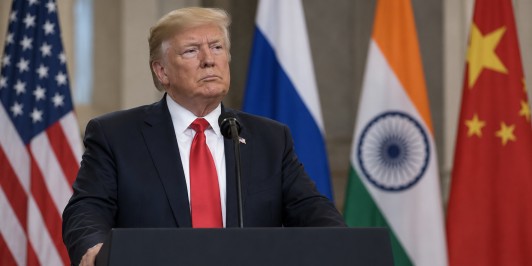
The potential for heightened economic strain looms large as President Donald Trump hints at deploying new tariff powers to pressure Russia into ending the war in Ukraine. If enacted, these tariffs could significantly impact large purchasers of Russian energy, notably India and China, by imposing up to 100% tariffs on their imports of Russian oil and natural gas.
Last week, Trump signed the Lindsey O. Graham Sanctioning Russia and Iran Act of 2026, granting him this substantial authority. Speaking to the United Nations General Assembly, he expressed his readiness to use these powers if deemed necessary to facilitate the conclusion of the ongoing conflict in Ukraine. This legislation not only targets energy imports but also introduces sanctions against Russian officials, financial institutions, and networks accused of circumventing existing restrictions.
While the law empowers the U.S. president to impose significant tariffs on countries buying Russian energy, it does not automatically set these tariffs in motion. The decision on whether to apply such financial pressure remains at Trump’s discretion, leaving the potential impact on India and China contingent on future U.S. actions.
In the broader geopolitical landscape, this move is part of Washington’s continued strategy to urge Russia into negotiations concerning the Ukraine crisis. Ukrainian President Volodymyr Zelenskyy has expressed support for the sanctions, indicating his readiness to engage in further discussions aimed at resolving the conflict.
The implications of these potential tariffs highlight the complexities of international diplomacy and economic policy, as the U.S. seeks to leverage economic tools to influence geopolitical outcomes. The situation underscores the delicate balance of maintaining global energy markets and the strategic efforts to end hostilities in Ukraine.