
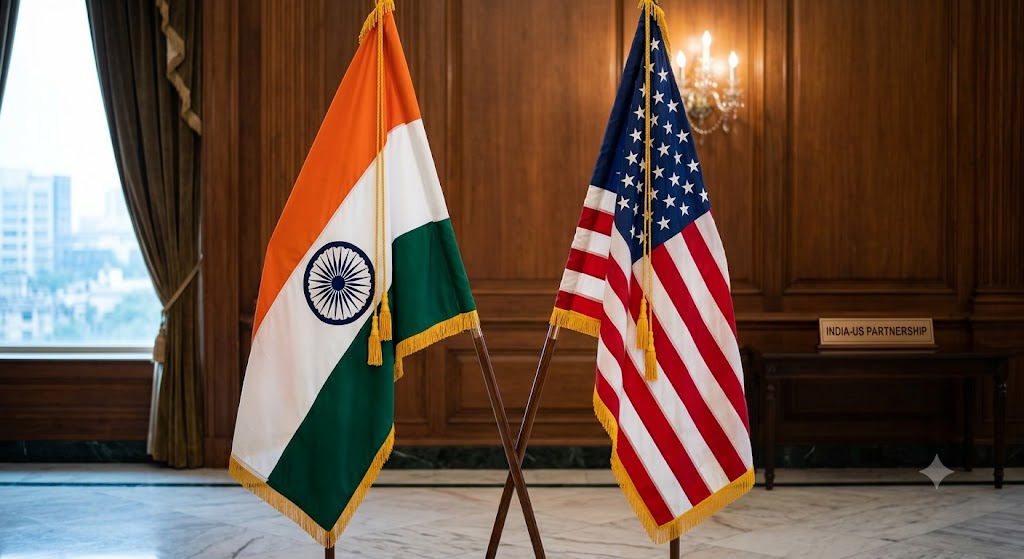
India and the United States have rekindled talks to seal an interim trade agreement, aiming to iron out persistent differences ahead of a looming tariff deadline. Both nations have shown optimism in recent negotiations, which have centered on eliminating last hurdles to a bilateral trade pact. Officials have indicated that, after months of dialogue, only a handful of issues remain unresolved.
The goal set at the inception of these discussions was to boost bilateral trade to over $500 billion by 2030. However, progress hit a snag when the US imposed new tariffs on Indian goods, significantly raising duties on certain products. An earlier framework had aimed to cut tariffs on Indian exports, but its implementation was hampered by legal challenges within the United States.
Under the prospective agreement, India would lower tariffs on selected US industrial and agricultural products, while the US would reduce duties on Indian goods. Despite these concessions, sensitive sectors like dairy, wheat, rice, and poultry continue to be safeguarded due to domestic concerns.
Agriculture remains a contentious point, with the US pushing for greater entry of American farm exports into the Indian market. However, India remains cautious, citing the need to protect local farmers and adhere to food regulations.
A successful agreement holds the promise of enhancing trade relations, bolstering India’s stance against rival exporters, and advancing the mutual objective of strengthening economic ties between the two nations.