
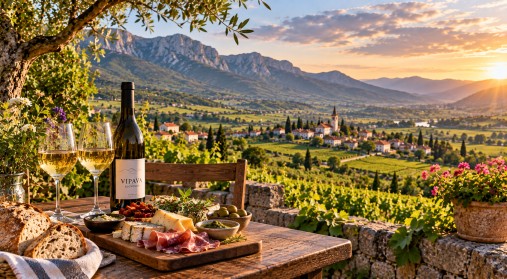
The Vipava Valley in southwestern Slovenia is emerging as an enticing destination for those intrigued by wine, regional cuisine, and outdoor pursuits. Known for its vineyards, karst landscapes, and traditional settlements, the valley offers a unique blend of natural and cultural attractions, nestled between mountain slopes and fertile plains with the Vipava River meandering through.
Located near the Italian border, the valley serves as a compelling spot for travelers exploring the broader region near Nova Gorica. A defining natural feature of this area is the burja, a powerful wind from the Alpine region that influences the local climate and agricultural practices. This climatic phenomenon, along with the dry karst terrain, has crafted a rich tradition of winemaking and food preservation in the region.
Vineyards dot the hillsides, with small producers and traditional wine estates maintaining the region’s agricultural heritage. This wine-centric culture is complemented by a vibrant culinary scene that highlights local flavors. Fresh cheeses crafted from sheep and goat milk, alongside cured meats and vegetables, underscore the valley’s gastronomic offerings, where traditional recipes harmonize with contemporary culinary interpretations.
The valley’s charm extends to its historic rural architecture, with former farm buildings and traditional homes now welcoming tourists while preserving their original character. This adaptation has spurred growth in local accommodations, enhancing the region’s appeal to visitors. Cycling enthusiasts will find the valley’s routes ideal, weaving through vineyards, villages, and agricultural landscapes, while e-bike paths make the hilly terrain more accessible. Additionally, hiking trails invite exploration of the surrounding karst landscape.
Among the historical attractions are the Roman remnants near Ajdovščina and the fortified settlement of Vipavski Križ, offering a glimpse into the area’s storied past. The valley’s low tourist density adds to its allure, with a focus on developing tourism gradually and sustainably, emphasizing local food producers, wineries, family businesses, and outdoor activities. As such, the Vipava Valley provides a serene and enriching escape for travelers seeking a leisurely European retreat, blending vineyard vistas, regional delicacies, and historical exploration with active adventures.