
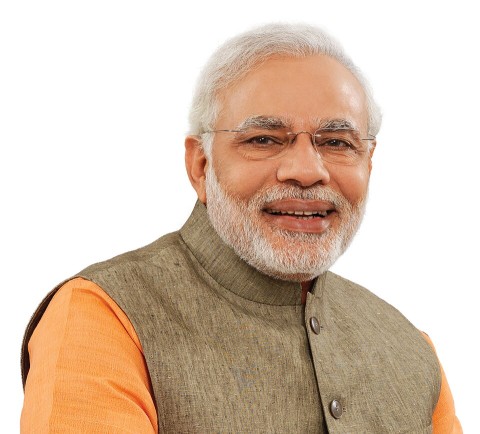
In a pivotal meeting centered on governance reforms and energy security, Indian Prime Minister Narendra Modi laid out three key directives for Union ministers, underlining the importance of swift action as the country navigates economic challenges stemming from the US-Iran conflict. With discussions extending over four hours, the focus was largely on the global energy scenario and potential disruptions in the Strait of Hormuz, a vital passage for oil supplies worldwide.
Modi underscored the necessity for quicker decision-making and the elimination of bureaucratic holdups, advocating for streamlined and transparent processes to enhance the “ease of living” for citizens. He urged ministries to expedite the implementation of central government initiatives, especially in regions where progress lags, to ensure timely delivery and impact.
Addressing the pressing issue of energy security, Modi called on ministers to brace for potential disturbances in the import of crude oil, gas, and fertilizers, given India’s heavy reliance on these shipments through the Strait of Hormuz. He encouraged the exploration and expansion of alternative energy sources, such as renewables and biogas, to diminish reliance on foreign fuels. The rise in global crude prices has already resulted in increased costs for petrol, diesel, and LPG in India, prompting the government to promote fiscal discipline and austerity to mitigate the economic ramifications.
Emphasizing a long-term vision, Modi reaffirmed the commitment to the “Viksit Bharat 2047” initiative, aimed at transforming India into a developed nation by the year 2047. He stressed that this should be viewed as a national mission, urging ministers to pursue next-generation reforms and enhance the execution of welfare programs for greater citizen benefit. The meeting featured presentations by key figures such as External Affairs Minister S. Jaishankar, Cabinet Secretary T. V. Somanathan, and NITI Aayog member Rajiv Gauba, addressing governance, foreign policy, and the rollout of flagship schemes.
The gathering occurred against a backdrop of increasing political pressure due to inflation, surging fuel prices, and the broader economic impact of instability in West Asia, highlighting the urgency of Modi’s directives to navigate these multifaceted challenges effectively.